Transcriptions and Their Editing Primer Tutorial
What is a transcription? Well, Wikipedia says …
Transcription refers to the process of converting sounds (voice, music etc.) into letters or musical notes, or producing a copy of something in another medium.Invariably, whatever “first responder” collector of the …
- video and/or audio … aligned with, in this case …
- text … version of the corresponding speech
… may be imperfect in producing your finished transcription, and depending on what use the transcription accuracy is to the end recipient, that transcription text may need a separate editing procedure applied.
For a project we were involved in at the editing stage, that “first responder” collector phase one used …
- Microsoft Teams
- … used remotely
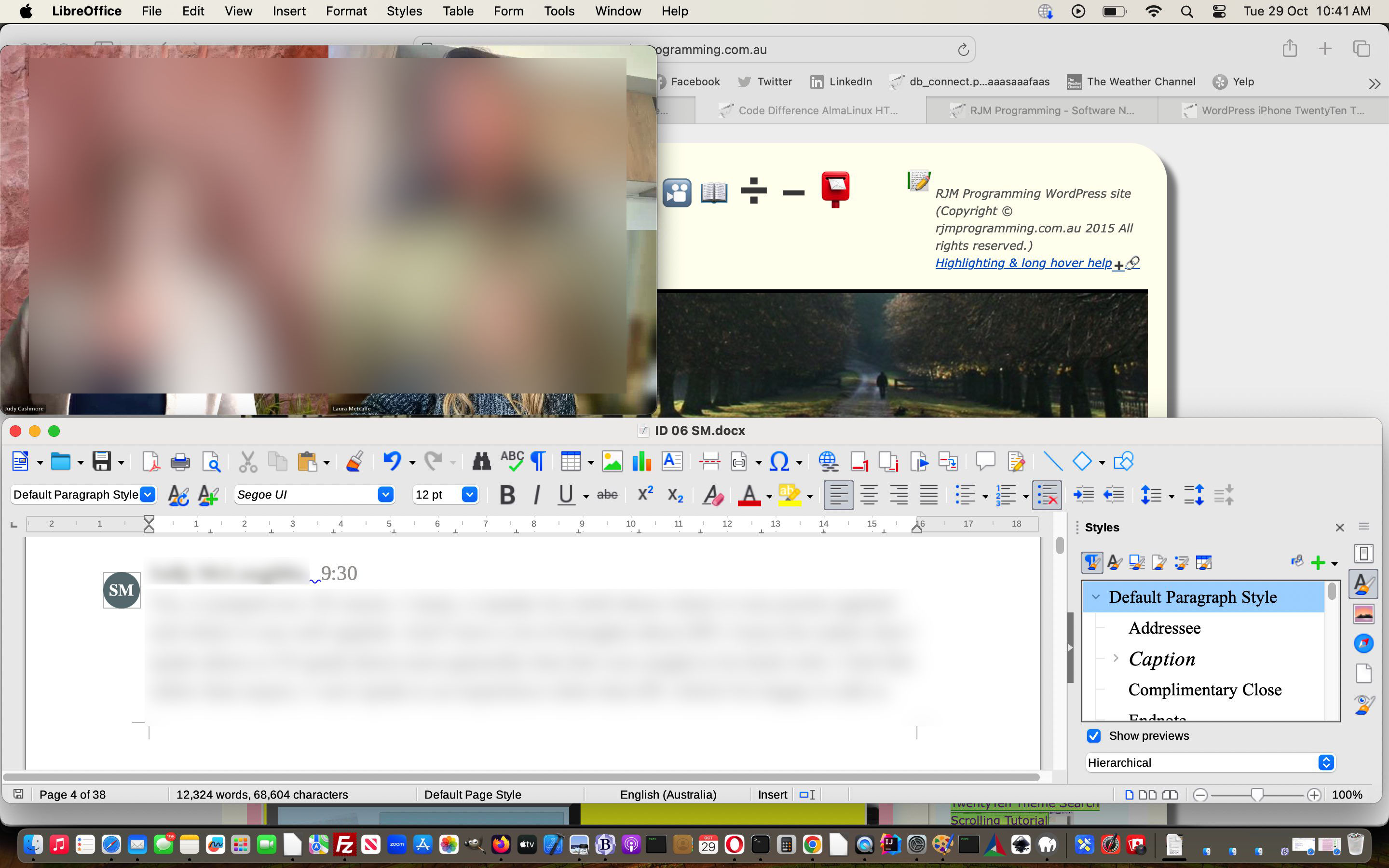
… and the editing phase two we were involved in used, on this macOS MacBook Air …
- QuickTime Player … to play the video and …
- LibreOffice … Document … to edit the text
… as a successful combination of software and hardware solution constituents to arrive at a satisfactory set of transcriptions.
Did You Know?
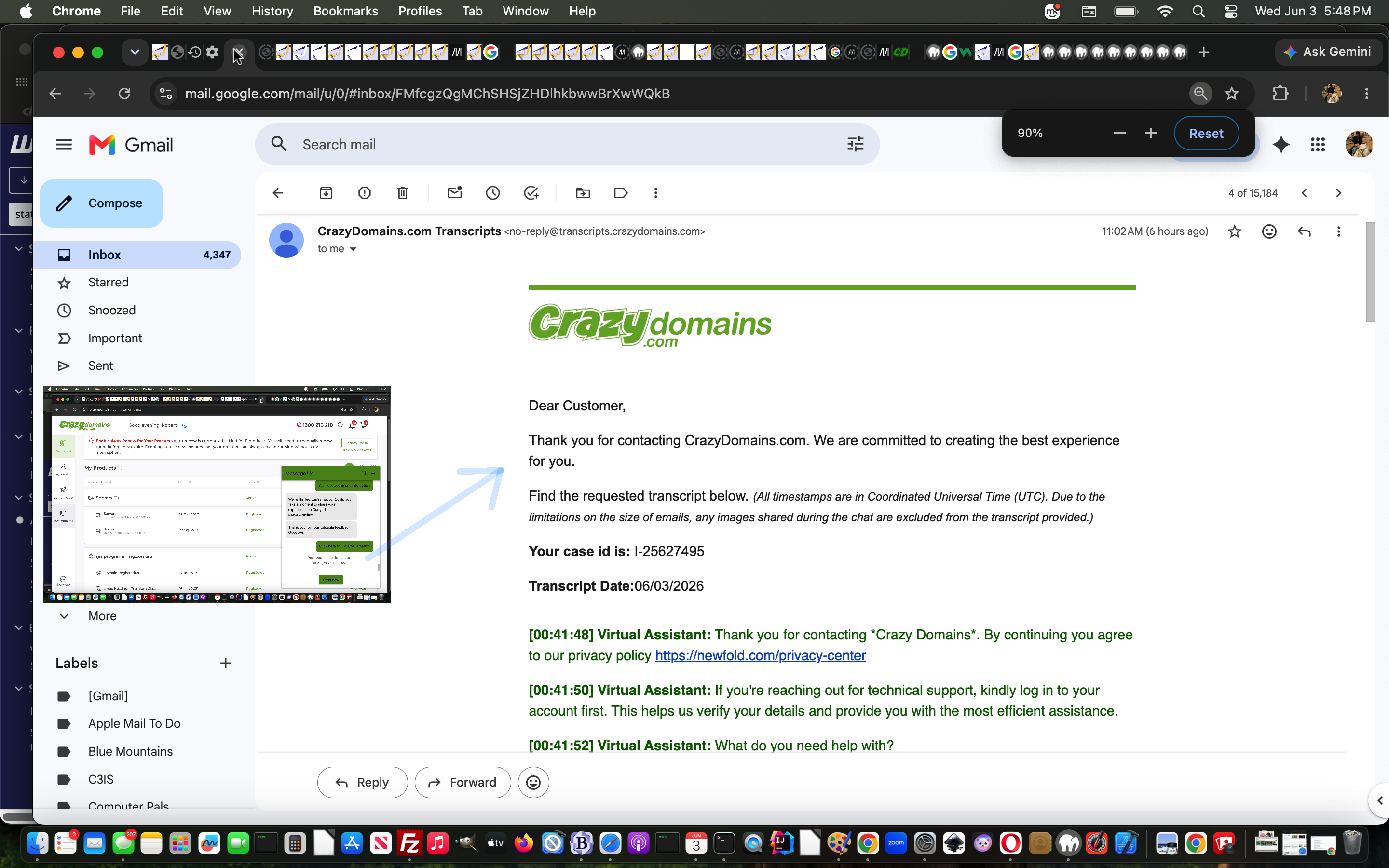
And then sometimes, we find we use recorded transcriptions, say, from a Chatbox discussion, for recording and reminding purposes, like we prefer these days, getting help regarding our Apache/PHP/MySql AlmaLinux web server hosts, the great Crazy Domains. We’ve preferred this to ringing up for about two years now.
Our voicemail messages are often transcribed, usefully, as well.
If this was interesting you may be interested in this too.




This is a helpful introduction to mind mapping, especially the explanation of how an unfamiliar .mm file can lead to discovering a practical visual-thinking tool. Mind maps are also useful for planning creative projects: I often map out a video’s key scenes, mood, pacing, and audio needs before production. Once that structure is clear, tools such as Flow Music can create AI background music for videos from a prompt, making it easier to match the soundtrack to each part of the visual plan. Thanks for sharing this accessible primer.