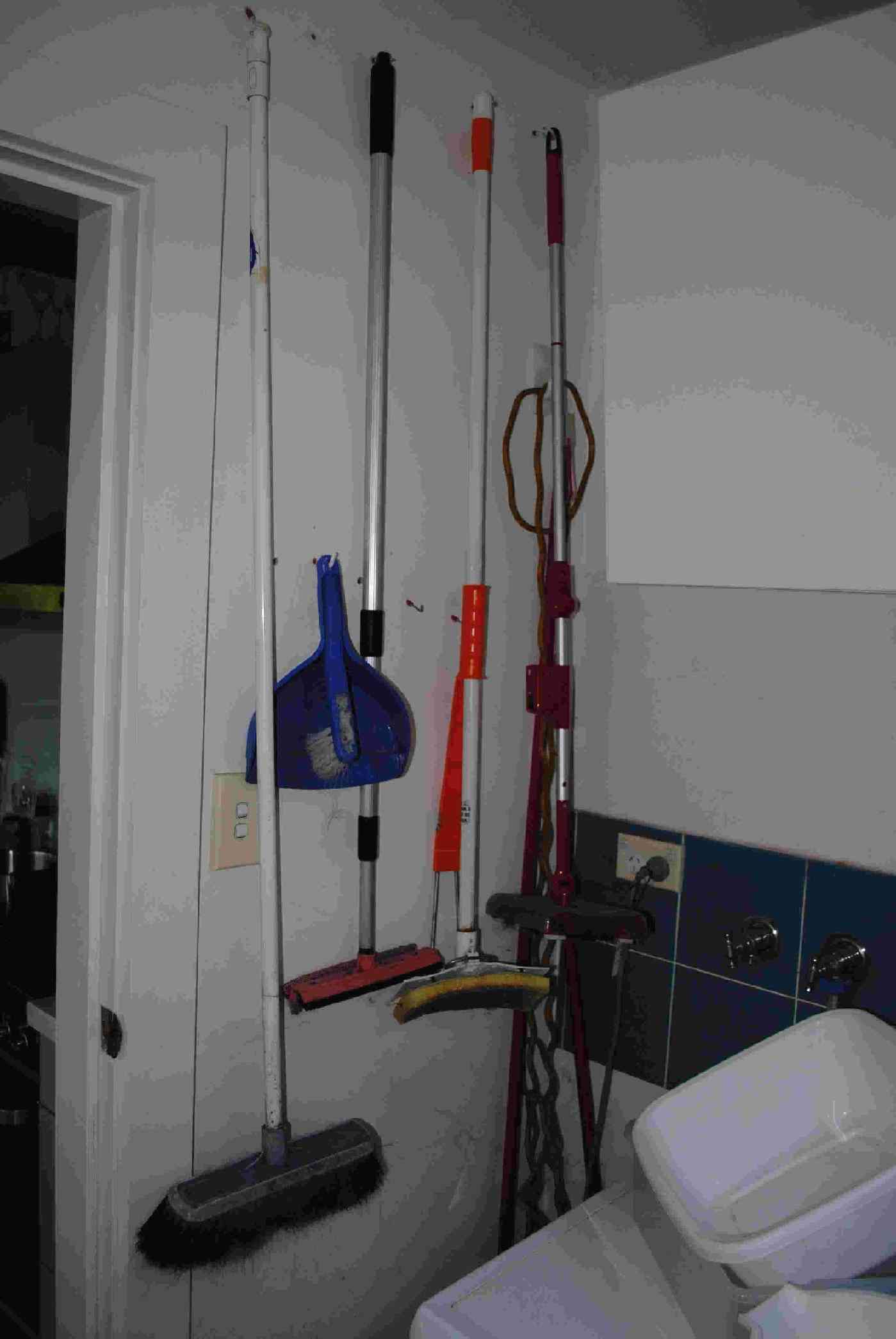
English Learning - Vocabulary - Laundry Corner
Click to start class. How many things can you name?
If this was interesting you may be interested in this too.

English Learning - Vocabulary - Laundry Corner
If this was interesting you may be interested in this too.



The idea of mapping a video's key scenes, mood, pacing, and audio before production resonates with me — it's a lot like working out an anagrampuzzle, where the same pieces only make sense once you rearrange them into the right order. Do you usually sketch the mind map before or after the script is locked?

This is a helpful introduction to mind mapping, especially the explanation of how an unfamiliar .mm file can lead to discovering a practical visual-thinking tool. Mind maps are also useful for planning creative projects: I often map out a video’s key scenes, mood, pacing, and audio needs before production. Once that structure is clear, tools such as Flow Music can create AI background music for videos from a prompt, making it easier to match the soundtrack to each part of the visual plan. Thanks for sharing this accessible primer.

Thanks. Since then, a Shower Songs project at https://www.rjmprogramming.com.au/HTMLCSS/shower_songs.html is an improvement regarding "Radio Play" on mobile platforms.

This is a thoughtful example of using a single-row layout and scroll behavior to reveal media progressively. I especially liked the way the tutorial ties the gallery to real interaction details rather than treating the UI as a static mockup. For readers experimenting with the next stage of visual prototyping, LTX 2.3 Free collects prompt examples and workflow guidance for planning AI video scenes; the same attention to camera movement and timing is useful when turning a storyboard into motion.

I like the single-row radio-play approach for keeping the controls compact while still making each selection clear. When I’m checking a calculation alongside a tutorial, I use StepStat to see the intermediate steps; how do you handle the layout when the playlist gets much longer?