
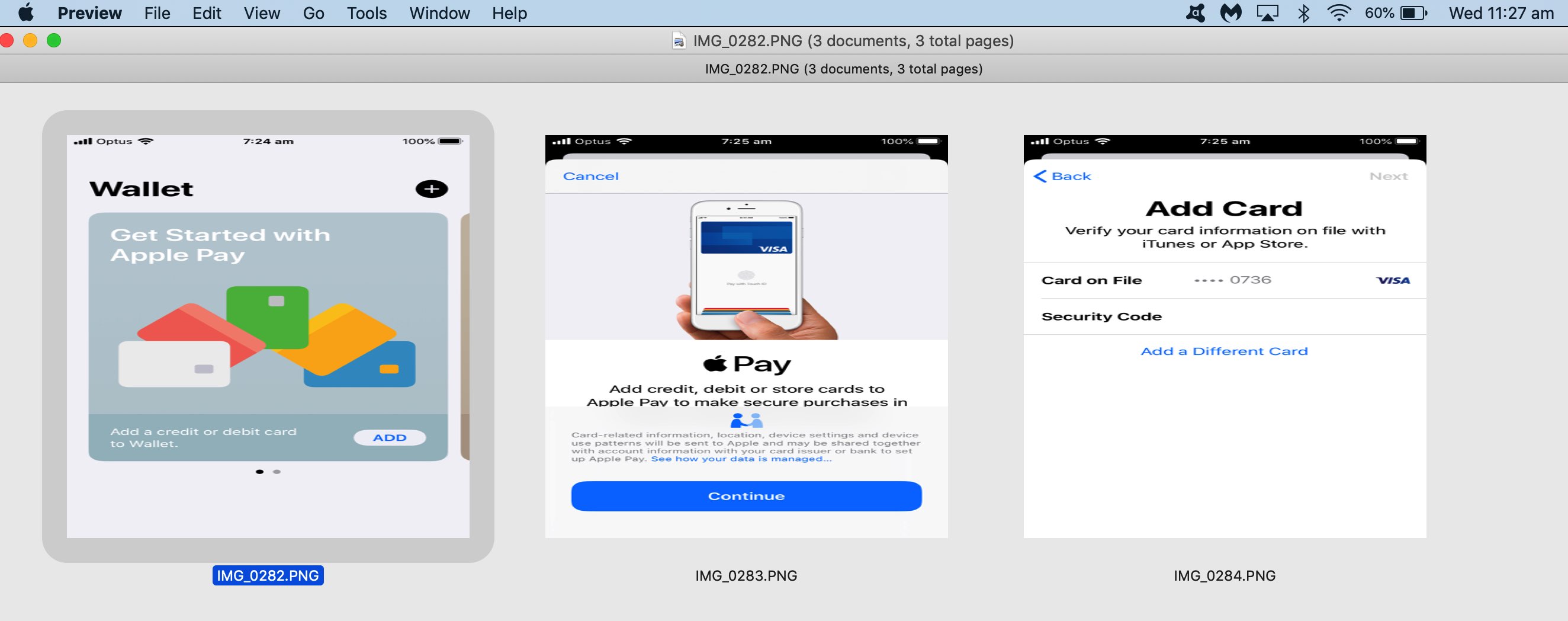
Apple Wallet iPhone App Tutorial
The combination of mobile flexibility of modern smart devices such as …
… can help enormously out and about making the art of “paying for things” that much easier. Here is how Apple describes Wallet …
Use the Wallet app to keep boarding passes, movie and event tickets, coupons, reward cards, student ID cards, and more in one place for easy access. Passes can include useful information, such as the balance on your coffee card, a coupon’s expiration date, or your seat number for a concert.
It comes along with iOS and you can see how to “start it up” with today’s tutorial picture.
If this was interesting you may be interested in this too.




Naming the things in a bathroom is a smarter vocabulary exercise than it first looks, because every learner already knows the room, so the words attach to objects they can see and touch instead of floating on a flashcard. Asking how many things can you name turns it into a game rather than a test, and the counting itself becomes the motivation: one more word than last time is a visible win. I like the way this kind of lesson uses a photograph as the prompt, since a picture gives every student the same starting point regardless of level, and the stronger students can move on to describing what each thing is for while beginners are still collecting nouns. The bathroom is a good choice of room too, because it is full of everyday words that textbooks often skip, the small objects people actually say out loud every morning. A daily habit of naming five new things around the house would build a working vocabulary faster than memorising lists, and this post is a good template for it.