
Animated Linear Gradient Border Primer Tutorial
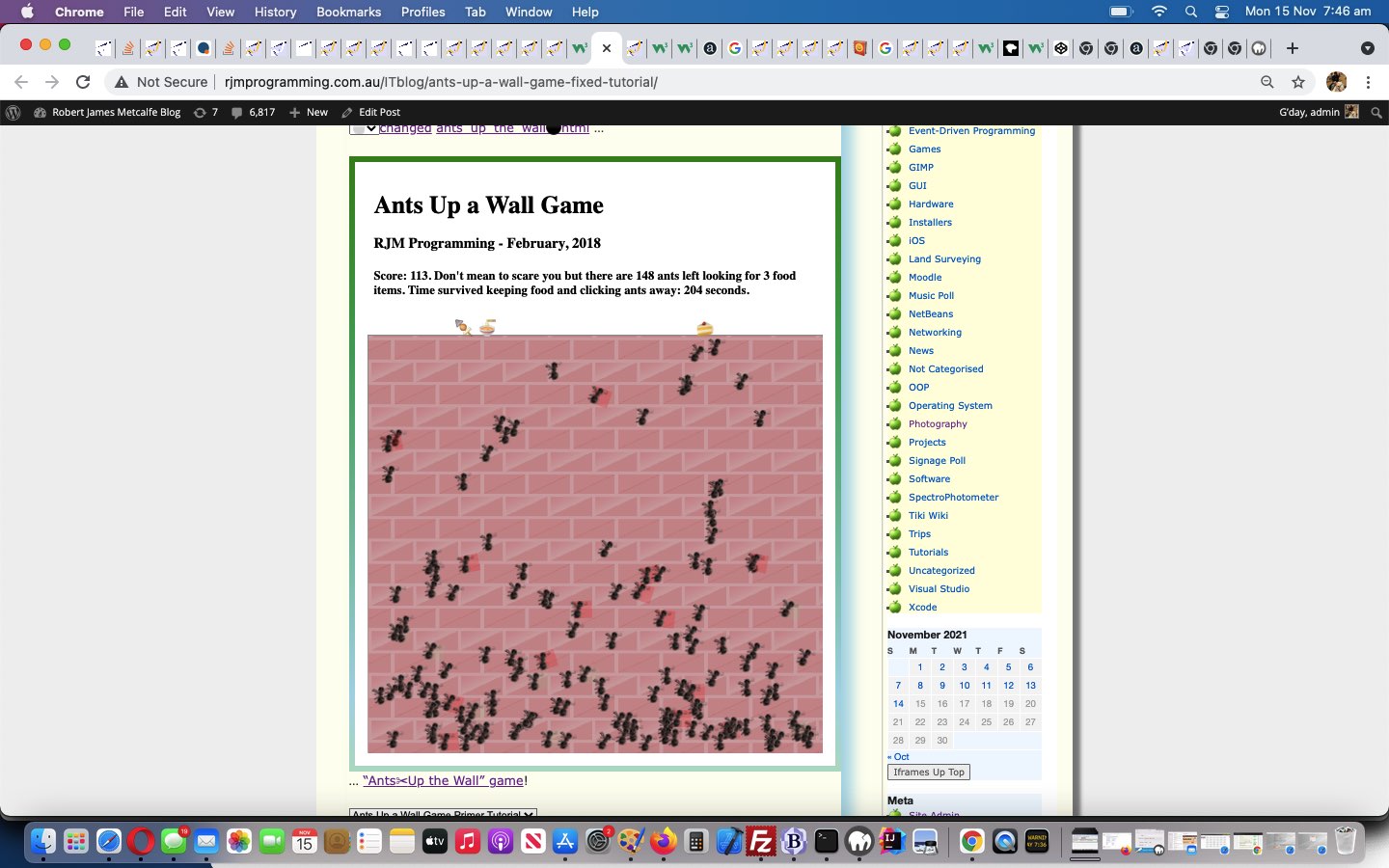
Over a few days now at this blog, we’ve been trialling a CSS styling idea for when we use HTML iframe elements to allow the reader to try a web application as they read the blog posting content. This CSS styling, we hope, brings attention to this, as a blog post feature they should pay attention to.
As such …
- we wanted something colourful …
- we wanted something impactive …
- we wanted something animated
… and so we looked up animated linear gradient border and lobbed onto this favoured excellent link (thanks) and onto some CSS styling code that worked for us, and that we are going to embellish the “code” element (via <code class=”container demo animated”> … </code> HTML, or, in the case of iframe styling <div class=”container demo animated”><iframe></iframe></div> HTML) with, below, and placed into (good ol’) WordPress Twenty Ten theme’s header.php …
<style>
    /* Thanks to https://codepen.io/bibby0912/pen/mErWyA for basis of idea below ...

    applied at https://www.rjmprogramming.com.au/ITblog/marquee-placeholder-primer-tutorial/ */


    .container {

      height: 100%;

      width: 100%;

      border: 8px solid transparent;

      box-sizing: border-box;

      padding: 1rem;

      overflow: visible;

      display:flex;

    }


    .demo {

      background-image:

        linear-gradient(white, white),

        linear-gradient(270deg, #00D7B9, #B95DD7 50%, #FFB367 100%);


      background-repeat: no-repeat;

      background-origin: padding-box, border-box;

    }


    .animated {

      background-image:

        linear-gradient(white, white),

        linear-gradient(180deg, green, lightblue 50%, yellow);


      background-repeat: no-repeat;

      background-size: 100% 100%, 100% 200%;

      background-position: 0 0, 0 100%;

      background-origin: padding-box, border-box;

      animation: highlight 1s infinite alternate;

    }


    @keyframes highlight {

      100% {

        background-position: 0 0, 0 0;

      }

    }
</style>
We hope it grabbed your attention!
If this was interesting you may be interested in this too.




Naming the things in a bathroom is a smarter vocabulary exercise than it first looks, because every learner already knows the room, so the words attach to objects they can see and touch instead of floating on a flashcard. Asking how many things can you name turns it into a game rather than a test, and the counting itself becomes the motivation: one more word than last time is a visible win. I like the way this kind of lesson uses a photograph as the prompt, since a picture gives every student the same starting point regardless of level, and the stronger students can move on to describing what each thing is for while beginners are still collecting nouns. The bathroom is a good choice of room too, because it is full of everyday words that textbooks often skip, the small objects people actually say out loud every morning. A daily habit of naming five new things around the house would build a working vocabulary faster than memorising lists, and this post is a good template for it.