Google Lens Reverse Image Search Tutorial
Have you ever wanted to follow up on an isolated image and see where else on the Google search engine, close graphic matches to that imagery are found? Most of us, right?!
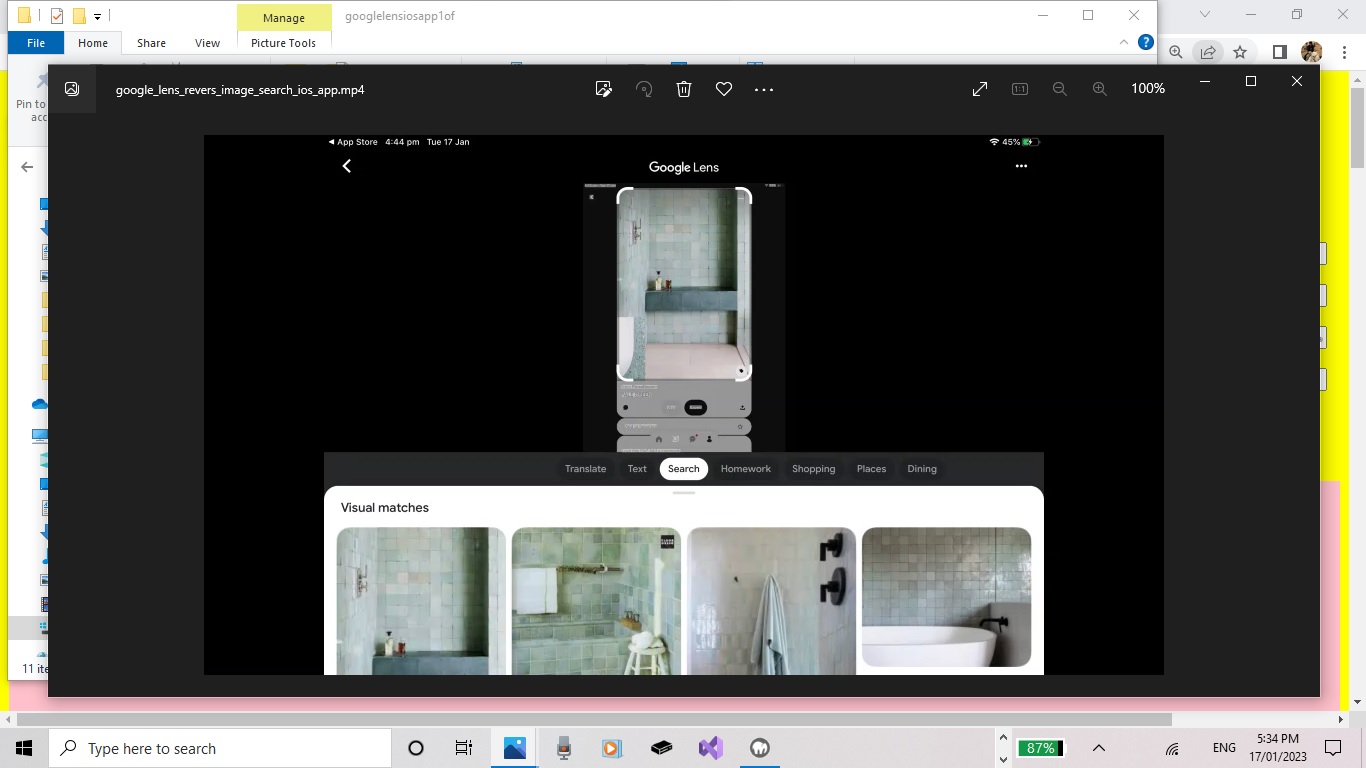
Well, we tried out on iOS (on an iPad and iPhone) the other day the relevant Google Lens apps to do a reverse image search. It was very good, unsurprisingly!
We assembled a video about this, including a Google Lens install, here, with today’s tutorial video …
… in case you want to give this Reverse Image Search a go, yourself?
If this was interesting you may be interested in this too.




The distinction between course-driven and immersion-driven learning is useful. A small extension to the australia.htm exercise would be a set of named map markers and a text filter: first update the visible markers on an input event, then add a collected/uncollected toggle, and finally persist only that toggle state in localStorage. That gives beginners a concrete reason to learn arrays, DOM updates and browser storage without needing PHP or MySQL first. It is also worth testing empty searches, a page reload and disabled storage separately; those are different failure cases. Disclosure: we maintain the GTA 6 interactive map. I am suggesting it as an example of a map-and-progress interface, not claiming that we used the tutorial code. Would you introduce persistence after the first working interaction, or keep the initial exercise entirely stateless?